#govegan

Going Green : Gardening

Now that we’ve gotten the eating situation figured out, we need to find the most eco-friendly way to acquire these foods. We have noticed in the label reading CRAZE that many organic items are shipped from half way around the world! This puts us into a predicament because we KNOW we want to eat only organic foods but we also are causing a TON of greenhouse gas by getting these items shipped to a store near by. HOW SELFISH! So what can we do to solve this problem?

The answer might come as a shock to you or maybe you have already joined in on this movement for yourself.

Let us introduce you to a little thing called the garden. 

growfood

The best part about gardening is anyone can do it! All it takes is some determination and patience. It is such a great feeling knowing EXACTLY where you food comes from and how it was grown.

TYPES OF GARDENS

It is very simple to start your own garden and there are a few options to do so. As usual, I would recommend checking out the plethora of videos and blogs online to get you started and help figure out which garden would be best for your needs and restraints. But basically, there are three options:

1.  PERMACULTURE

The BEST way to grow your own organic food is something called permaculture. This makes the most of your land use by completely renovating your yard to have complete functionality of a garden of eden. These types of gardens work best because they create an ecosystem for your plants to flourish in. Most permaculture gardens consider things like sunlight, wind directions, slope, water resources and the incorporation of native plants and animals to make your garden thrive. To learn more in depth about permaculture watch the video below. This man turns his entire yard into a working, functional ecosystem that grows fresh organic produce with the least amount of energy. It is about an hour long, but he really goes in depth with each part of his garden and exactly how to do it. But there are many videos on YouTube!

https://www.youtube.com/watch?v=gB9lJpIi7zQ

2. RAISED BEDS

Raised beds or simple veggie patches work well for people who perhaps don’t own their land or aren’t quite ready for an entire landscape renovation. These types of gardens can be as large or small as you have room for. Use of vertical space can also help you get the MOST food for the space you have. It is actually so easy to set up a raised bed garden you could do it all in one afternoon. Simple steps and supplies are on this site or you can watch this video below:

3. CONTAINER GARDENING

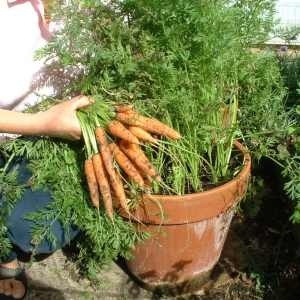
 Now for those of you who think they don’t have the time/money/commitment to grow a full garden, consider planter or container gardens. This is an easy way to grow with restraints.
container

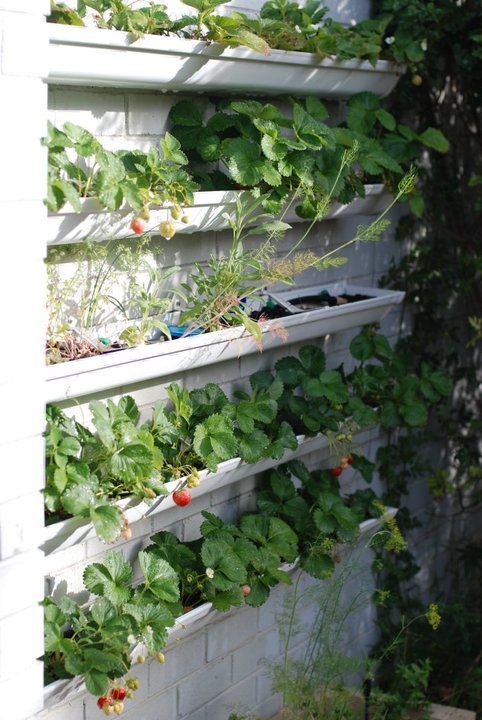
For a full list of plants you can grow in containers, check out ALL 66 on this site. You can be very innovative in what kind of containers you use as well. Have any old gutter laying around? Why not attach it to your wall and viola! You have a full row of soil to grow and saved space!
gutter

WHAT TO PLANT

Here is a list of the top 10 best crops for beginners. If you don’t even want to bother with seeds, check out these items you can grow from kitchen scraps:
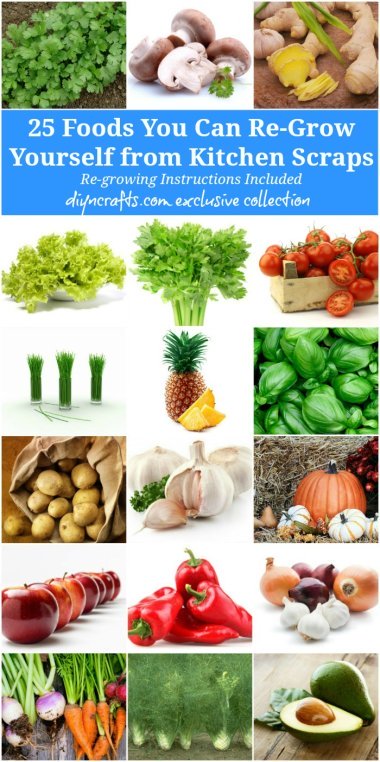
Click the photo to learn how!

Click the photo to learn how!

COMPOSTING AND SOIL

Start a compost bin to reuse all of your food scraps to make wonderful homemade fertilizer. This site has all the info you need to start your own! There are many compost bins on the market, even ones you can keep indoors! If you would rather save some money and make your own, this site shows you how to make one for $15 out of a garbage can!

This is truly the best way to get rich soil. Begin mixing the organic compost into your soil a few weeks before you plan on planting. This will ensure your new little sprouts have plenty of nutrients to grow. You also want to make sure your soil has the right moisture content.  You want your soil to easily fall apart with few chunks when dropped from your hand.

GREENHOUSES

Another option for gardening year round are greenhouses! Just like everything else, there are a ton of videos and how-to’s to make different types of greenhouses depending on your needs and wants. You can also repurpose many things into greenhouses. You can also use a small greenhouse to simply start your seedlings. Check out this greenhouse idea made from old brick and window panes.

greenhouse1

GETTING STARTED

Now that you know what to plant and where to plant it, its time to set up your garden! Below are some simple steps to check off as you create your own veggie patch!

STEPS: 

1. Start a compost pile. Even if it won’t be beneficial for THIS crop, you will thank yourself later!

compostbin

2. Plan your garden. First, find the perfect place for your garden. Make sure you find a spot with sun all day.

3. Decide what plants you want to grow. Choose plants you think you will be able to maintain but also plants that you buy often!  Literally write out a plan of where each plant will go like this one:

example

4. Decide what type of garden you want to build.  Start collecting your seeds and supplies.

5. Build your garden infrastructure. If you are building a raised box, assemble and fill. If you are creating a permaculture garden, prepare your irrigation systems, landscape and build your water features/ chicken coups/ compost pile/ etc.

6. Prepare your soil. Make sure you incorporate plenty of organic compost and give it a turn a few times a week until ready for planting.

7. Meanwhile, start your seedlings. This site gives you a great run down using recycled paper tubes!
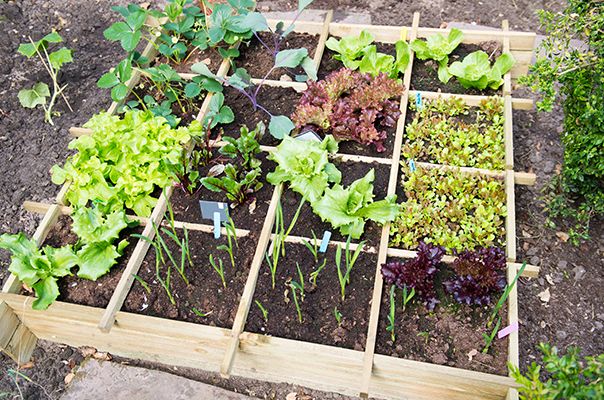
raisedbed

8. Plant your plants! Some plants will start from seeds and some will already be seedlings. You will want to plant depending on what time of year it is and where you live. Here is a general time frame from the Farmer’s Almanac.  If you want to know more precise dates for your area, simply type in your location and seed planting times on Google.

9. Don’t forget to weed and water your gardens. Now that you finally have your plants in the ground, it’s time to nurture them to delicious food! For natural pest control check out this site.

10. Now the best part, THE HARVEST! Enjoy your delicious, well-earned food. If you really need some extra help, check out this site for tips and tricks!

STORAGE

Now that you have all of this amazing fresh produce, you will want to make sure you are storing it correctly. Of course, while your plants are being harvested, you can walk right out to your garden and pick what you want. This is true freedom… But eventually you will have to save some of your goodies. Using an option like a root cellar or even a basement can be very beneficial to keeping produce fresh. There are many ways to freeze, dehydrate and can foods as well to preserve them. You could build something like this in your backyard, yes dreams come true…

storage

You can also move away from any plastic storage with these tips:
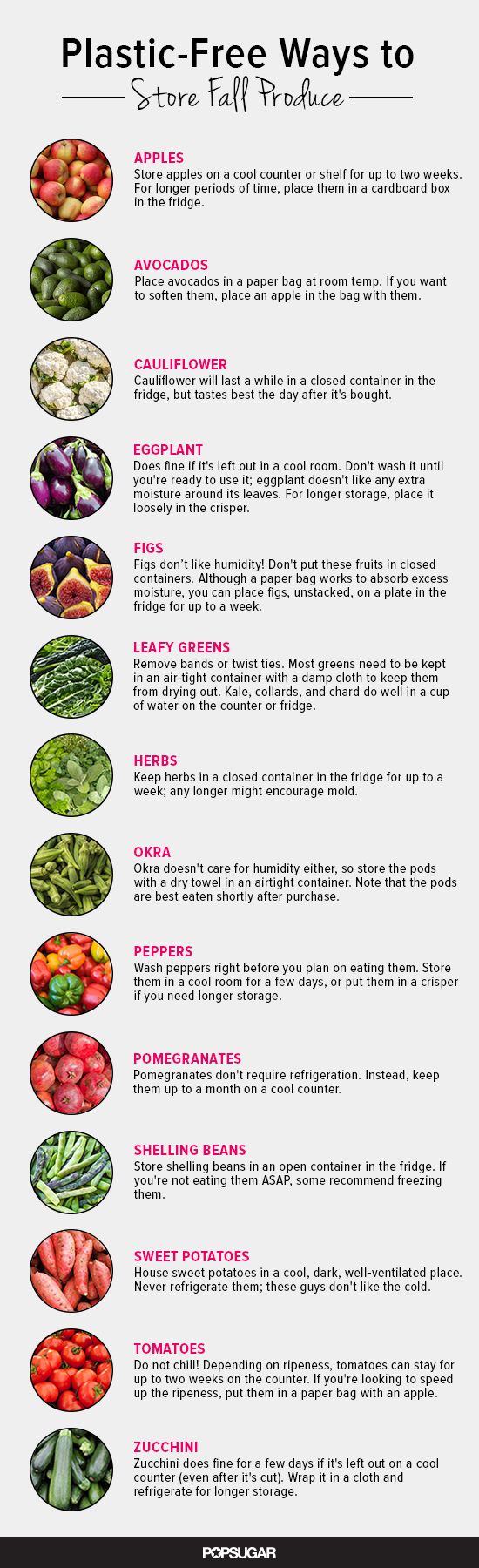
storage2

This is still a very basic beginners guide to what you need to know to start your own food garden. There are SO MANY resources out there to get started. The benefits of starting your own food garden are countless. Most importantly though, you will have the most fresh, nutrient rich food right at your finger tips!

Happy Gardening Ecowarriors! 
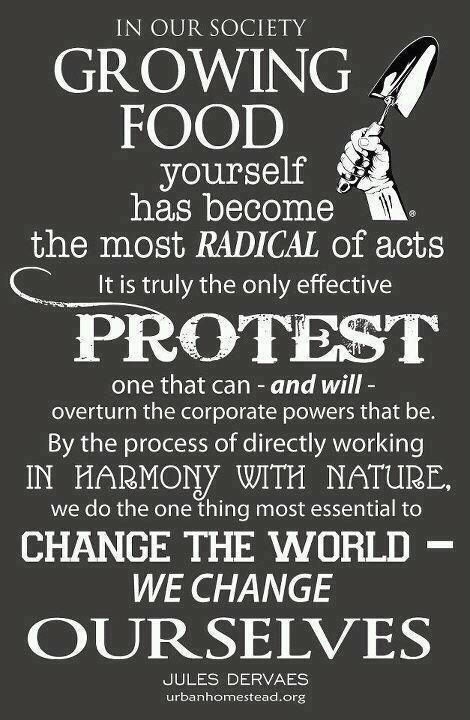
protest

Going Green: Beauty by Food

With my increasing passion for plant-based foods, I have really started focusing on specific foods and what health properties they have. I have found a really great book called Beauty Detox Foods by Kimberly Snyder. This is Ms Snyder’s second nutrition book. In this specific book, she goes through many whole foods and discusses beauty properties of each food. Then she gives you over 80 recipes to get started on your “beauty detox.” I like this book because it helps you understand your body and what nutrients you need to really be glowing and healthy. I have been drinking her Glowing Green Smoothie every morning and I already feel rejuvenated. Here is a video how to make it!

What is really most important about this concept is that you are getting all the nutrients you need. The whole book is based around whole, plant-based foods. Most of the recipes are quite simple and I had most of the food in my kitchen already! I also really love that most of her recipes allow creativity and substitutions. For example, in the smoothies, you can add whatever fruit you’d like based on preference. It’s SO important that we not only start eating a plant-based diet, but also that we are getting healthy along the way. Too many Americans are DYING from diet alone. By being in tune with your body, you put yourself in control. Eating healthy doesn’t have to be a time consuming process either. Here is another video showing quick and easy to-go lunch options:

Check out her book if you get a chance. If not, just remember to continue eating your veggies and going green!

P.S. Ecowarriors are making MAJOR changes to our website coming soon!

Green Power,

Hannah

Going Green: Vegans Will Change the World

Last week, I discussed my shock and horror after seeing the documentary Vegucated. So I decided to make a quick guide to living a more plant-based, greener lifestyle.

Let’s start with resources. The switch to a plant-based diet may seem like a daunting task. Suddenly it seems like ALL you eat are animal parts and you can hardly imagine what else there is to eat! But have no fear, because you are forgetting the bulk of your diet IS already plant-based! Start by skimming Pinterest for recipes. Firstly, there is an absolute UNIMAGINABLE amount of vegan recipes! There is even a Vegan Community page where you can share your own recipes! But the more important thing to notice is you will find many of the ingredients already in your pantry.

There are also all kinds websites with tips for a plant-based lifestyle. The most comprehensive site I discovered was Live Vegan. This site will answer ANY questions you have about going vegan. The website is separated into categories ranging from what to eat to where to eat to how to handle different social situations. PETA also has a Start Up Guide for vegetarians/vegans which covers all the basics on WHY to go vegan and HOW. Whole Foods also has a great section of their website dedicated to vegans giving you a full breakdown of nutrients you need and where to get them.  The Four Pillars of Health also gives an easy four step plan for a plant-based diet.

You really wanted to make sure you do the research to find out what is needed to stay healthy and where to find certain nutrients in plant-based foods. A trip to your doctor also might be a good idea to discuss nutrition. The fastest question is where to get protein from plants? But in fact, plant-based proteins are prevalent. Here are some examples:

vegan8

We also found this helpful tip for baking without eggs:

veagn11

THE SWITCH

Dairy and Bacon Alternatives

Besides fruits and vegetables, there are many processed plant-based foods on the market today.  Many can be found at local specialty food stores but you can also find a ton of vegan options at chain super markets. The products range from plant-based cheese to fake “bacon” made from tempeh, to frozen plant-based veggie burgers and almond milk yogurt. There are also a variety of brands so if you don’t happen to like one, try another brand instead!

What to eat: 

I complied a quick list of some examples of plant-based meals!

Breakfast    Smoothies (Ex: Mixed berries, banana, apple, peanut butter and O.J.) ; Cereal with fruit and nut milk ; Toasted whole wheat bread with peanut butter and bananas ; Waffles with peanut butter and strawberry jam ; Almond yogurt with granola ; Pancakes ; Tofu Scramble ; Mushroom and Potato Hash ; Avocado and wheat toast

Lunch :  Grilled ‘cheese’ with vegan sliced cheese, ALT (Avocado, Lettuce and Tomato) ; Black bean soup made with sautéed onions, corn and salsa ; Peanut butter and strawberry jam roll up ; Vegan spring rolls with teriyaki sauce ; Vegetable Stew

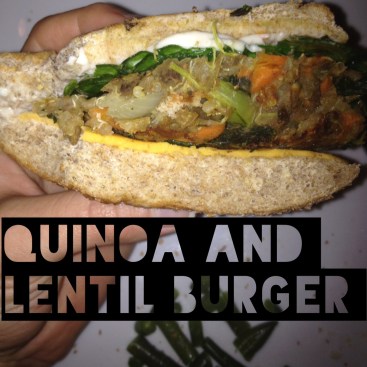
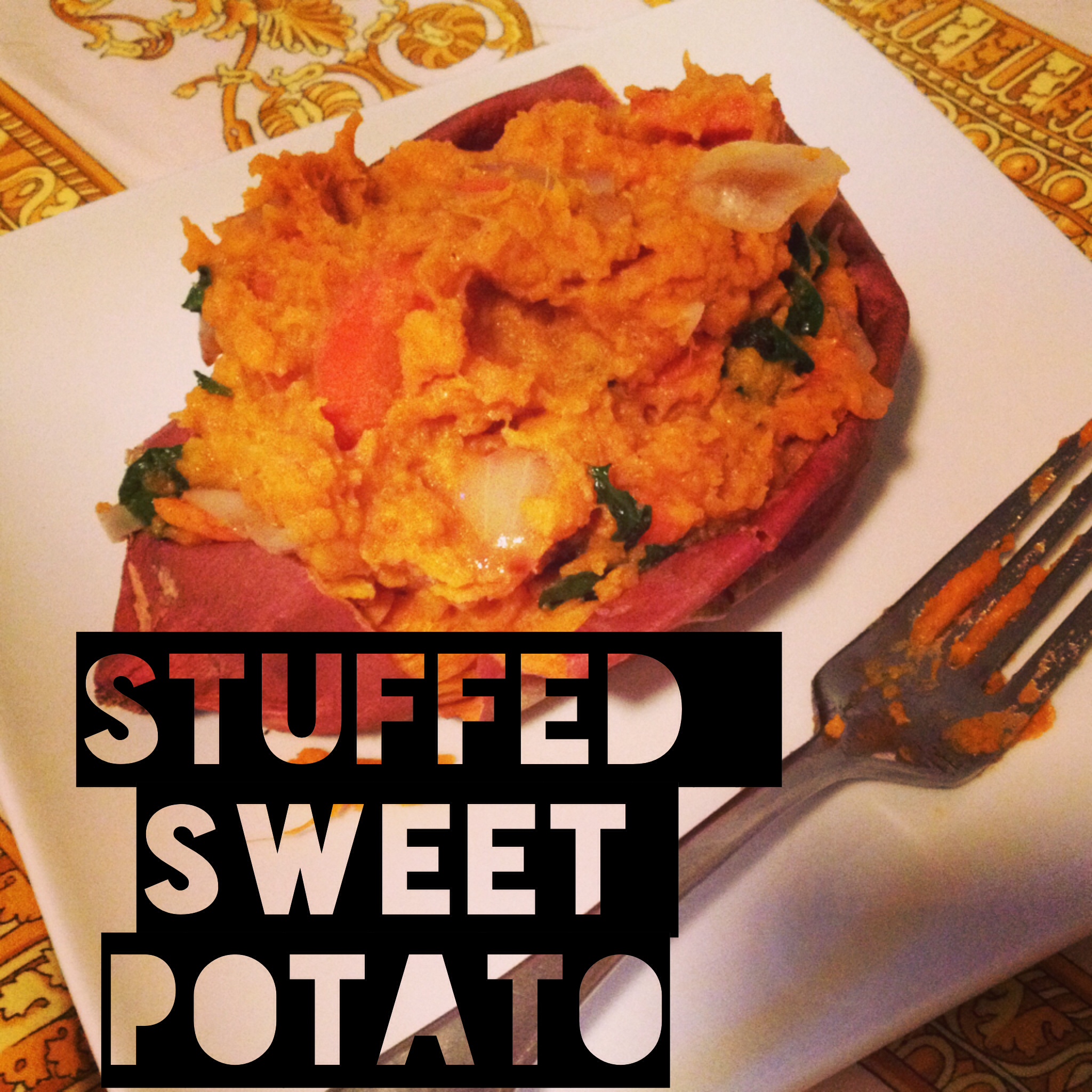
Dinner :    Curried lentils with rice  ; Quinoa and lentil burgers made with kale, carrots, and onions with green beans ; Sweet potatoes stuffed with kale and carrots ;  Kidney beans, kale, and onions over quinoa with asparagus ; Veggie lasagna made with broccoli, green pepper, garlic, spinach, kale and a mushroom tomato sauce ; Spaghetti squash with tomato sauce

Go-to snacks: dried fruit, trail mix, gluten free granola bars and of course fresh fruit and veggies! 

vegan3

vegan5


vegan6


vegan7


vegan10


This is definitely a very direct approach by getting rid of all animal products at once. But if you are concerned about the financial burden of replacing all the food in your kitchen don’t go so extreme. Slowly replacing each product as you run out will make it much easier to transition. There are also all kinds of budget friendly  vegan recipes all over the web!

THE SOCIAL SIDE: 

Interestingly enough, I found, the toughest part of becoming vegan is the social side. Sometimes it is very difficult to explain your lifestyle choices to people. When you are changing for the good of the planet it almost makes you mad when others don’t understand, but this is really the most important part as well. You cannot be angry at others, you can only educate them hope they will understand. Many people feel guilty when you tell them you are vegan and they need to know it is NOT their fault. Everyone can make more eco-friendly food choices and you can help them. Show them the positives of being vegan like all the new recipes you will get to try! Never let someone make you feel bad about being vegan. There are so many arguments that people will push on you but know that you ARE making the right choice. You are taking a stand and making a difference in the world.

Have little ones to feed as well? Here is a great site to help teach kids about being vegan. There are some very amazing ecowarriors out there working with schools and early development programs encouraging children to make smart food choices!

THE ENVIRONMENTAL SIDE: 

veagn9

While exploring and learning about planet-based diets, I also discovered the environmental impact of the meat industry. It takes a substantial amount of energy to raise and slaughter animals. Forests are cleared for pasture lands, waterways are polluted with manure, and astonishing amounts CO2 are released into the atmosphere from raising, transporting and processing the meat. But the truth is if everyone adapted a plant-based diet, we could actually solve the global warming problem. Really this is what it takes. It takes us ecowarriors going out there and encouraging your friends and family to make the switch. It is SO important that we evolve as a species back to a life connected with nature.

food

Please feel free to share your own vegan recipes or experiences as well!