#conservation

Going Green: What’s really on your plate?

IMG_5095

This week I want to share my very intense  journey with food lately.

Do you ever find yourself in the grocery store starring at labels for hours just trying to figure out what exactly “natural” means? There are still a lot of items in the pantry that you’re not 100% sure are completely natural. The further I dive into this investigation behind the brand name, the more I’m starting to realize there is a bigger issue going on here. . .

GMO stands for genetically modified organism. This might sound like something out of a science fiction novel but we are in the day and age that science is able to do the amazing feat of creating food in a test tube. If you want to know the whole break down check out this site. This might sound like the cure to world hunger but don’t get too excited. The whole point of genetically modifying foods is to create super crops that can survive after tons and tons of pesticides and herbicides are poured onto them. This allows a higher yield of crops and more profits. But why would we want to eat food that has been blasted with chemicals? Long term effects of eating these genetically modified foods are beginning to link to disease, allergies and overall immune deficiency. So how on Earth is the government allowing products to leave this off the label? Maybe it’s because some of the largest suppliers of genetically modified seeds, like Monsanto, are the same companies with VP’s and CEO’s working for the Food and Drug Administration.

So what can be done about this?  We live in a democracy right? We can decide we want our food labeled and it shall be done! But wait.. it’s not that simple. A few states have already tried to pass propositions to get GMOs labeled, but no such luck. Connecticut and Maine are the only states that currently have any required labeling. MILLIONS of dollars have been raised to oppose any GMO labeling requirements, mainly by the companies using genetically modified crops. Monsanto has raised over 4 million dollars alone, followed by other big name processed food companies like Pepsico, Kraft Foods and Coca-cola.

gmo labeling

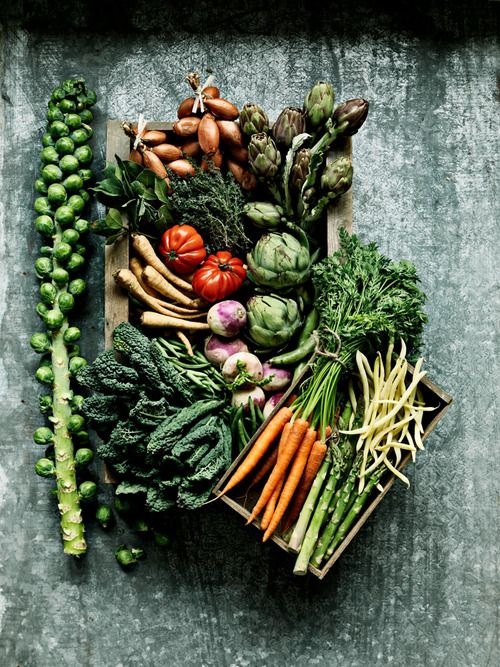
Don’t worry, there is still hope to live a life free of genetically modified organisms. Always look for products that are certified organic. These items SHOULD be GMO free.  Corn, sugar and soy are at a higher risk for being genetically modified. You must also check for products of these crops, as well, like high fructose corn syrup and cornstarch. Try to avoid processed foods as much as possible for they are usually heavy in these ingredients.

The Non-GMO Project is a nonprofit certification program that creates awareness for products that are GMO free. It has great lists of companies and products and links to take action in supporting labeling.  This site allows you to write to Monsanto shareholders directly. Being aware of what is on your plate is the first step to making the right choices, not only for the environment but for your own health.

What can you do NOW?

  1.  STOP buying GM foods immediately
  2. Educate others on the effects of eating genetically modified foods
  3. Vote for the government to implement GMO labeling
  4. Buy local organic food
  5. Grow your own organic garden

It’s really that simple. We have the right to know what’s in our food. It is so important to ACTUALLY know where our food is coming from because it is one of the few connections we have left with nature.
 

Eco-friendly Valentine’s Day

Ecowarriors, February is almost here and we can already feel the love in the air! Valentine’s Day is the one day a year EVERYONE gets to feel the absolutely magical power of love. Love is so beautiful and Valentine’s Day simply a celebration of that.

So how can we celebrate this holiday while loving Mother Earth at the same time? We have found some eco-friendly Valentine’s Day gifts and ideas that will not only impress your someone special but also share your love for the environment!

Gifts

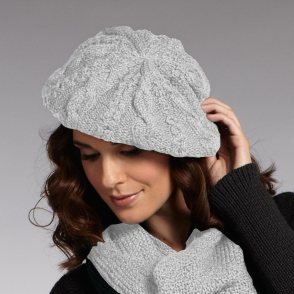
 1. Indigenous Designs is Fair trade clothing that only use natural and organic fibers and low impact dyes. They have a wide selection of cute hats and scarves, the perfect gift for these cold winter days!

hat

Click the photo to check out Indigenous Design

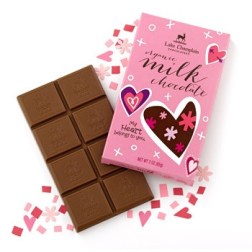
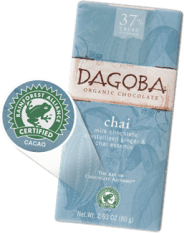
2.  If chocolates are more your thing, we found a few different companies with great selections.  DAGOBA Organic Chocolates are Rainforest Alliance Certified. They use organic and sustainably-grown cacao from farms that conserve and reinvigorate the rainforest.  Lake Champlain Chocolates has a wide variety of Valentine’s themed chocolates. This Vermont based company boasts organic and non-GMO cocoa and fair trade certification through Fair For Life.

product-with-seal

DAGOBA Organic Chocolate Bar

valentine-chocolate-bar-milk_1

Lake Champlain Organic Valentine’s Day Chocolate

3. If you really want to impress your eco-friendly lover, consider a 3 month gift subscription to the Homegrown Collective . Each month a box of goodies arrives right to your door. Each box is filled with different green items and can include things like local products, homemade treats and how-to kits to create your own herb gardens.

3_month_gift_membership__98814.1386728222.1280.1280.jpg.html

The Homegrown Collective’s Green Box

4. If you’re ready to take that next step this V-Day, consider Mia Diamond, the world’s leader in alternative diamonds. They create man made diamonds and use recycled gold and silver for all of their jewelry. This keeps mining, an extremely environmentally destructive practice, to a minimum!

ring

Mia Donna’s eco-friendly diamond alternative rings

If giving gifts isn’t your things, here are some eco-friendly date ideas for your Valentine:

1. Take your date to a butterfly garden or botanical garden. These are usually climate controlled so they will keep you out of the cold while also giving you a beautiful serene backdrop to spend time with your love.

2. If the weather permits, take your date on a picnic in the park. Pack some fresh fruits and veggies and grab a bottle of champagne and just spend the afternoon watching the clouds go by.

3. If your Valentine lives more of an active lifestyle then look into adventure activities like mountain hiking or stand up paddle boarding. Any activity that involves sunshine and fresh air seems like the perfect go to date for eco-friendly Valentines.

4. Finally, one of the most romantic things (we think) for a V-Day date is to cook a meal together. Go to the market together and pick out your ingredients then get into the kitchen. Spending time cooking together creates a special bond of teamwork and it’s always fun to throw food at each other!

These are just a few ideas that are sure to impress ANY special someone. Don’t forget to share your ways of celebrating an eco-friendly Valentine’s Day !