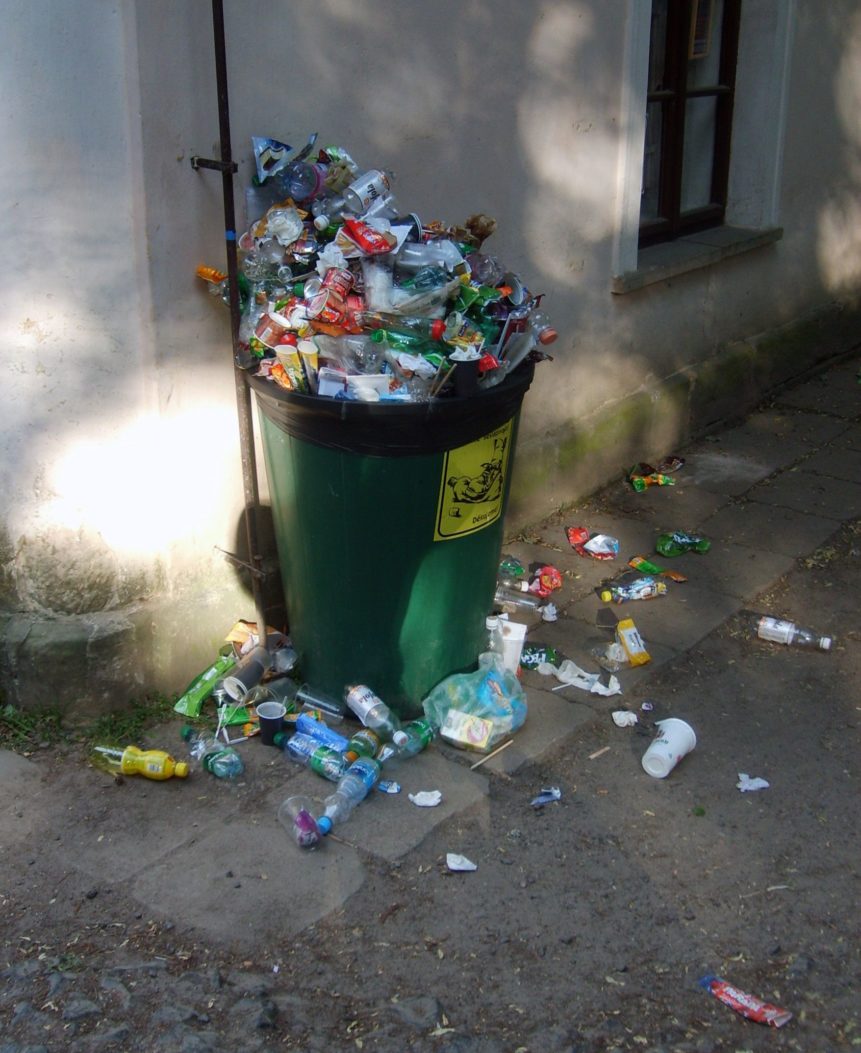
One of the easiest ways to start on your eco-friendly adventure is by reducing. This simple concept can go a long way in many parts of your life! By reducing in as many ways as possible, we are instantly reducing our impact on the planet. Using less requires less energy, less resources and (a plus for us) less of a financial burden. I’m going to break down five easy ways you can reduce your waste starting today!
1. Remove packaged and processed foods from your diet
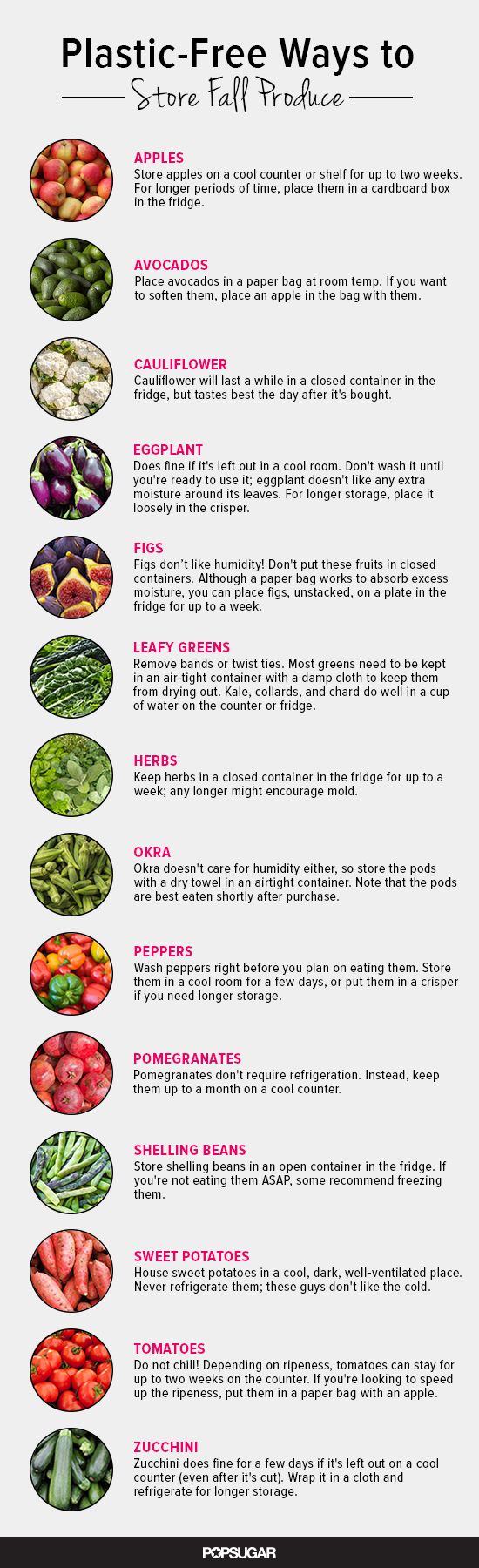
One of the easiest and biggest ways you can impact your own waste is by removing packaged foods from your diet. I know you’re probably thinking how is this possible when over half of our grocery stores are filled with these products?! But believe it or not, no matter where you are shopping, you can always choose whole fruits and veggies over the packaged foods. I absolutely NEVER use the plastic baggies in the produce section to wrap up my produce. I am going to wash it when I get home so I see it as a completely nonsensical item. If you feel like you must put your produce in something, there are many reusable produce bags on the market.

Photo by Pixabay on Pexels.com
One of the best options is to find a local farmer’s market so you can not only get whole foods but you can also get them from local farmers and put your money back into your own community. Often times, farmer’s market will be held in town centers on weekend mornings. A simple Google search should be able to point you in the right direction.
If a farmer’s market just simply isn’t in the cards, that’s okay. You can still purchase whole fruits and vegetables from any supermarket. If you are trying to get the most bang for your buck, often times grocery stores will have a “clearance” section in the produce section where you can find discounted items. Not only does this automatically reduce your waste but eating whole based foods will instantly impact your diet in a healthy way.
For all the other items besides fruits and veggies, head to the bulk bins. You can often times bring your own containers, just stop by the check-out to get them weighed before filling them. I use glass jars to purchase and store all my grains, beans and nuts. The best thing about the bulk bins is that they often save you a lot! Luckily for me, I found a whole store of bulk foods in my town! Usually one stop there a month restocks my pantry and keeps me from buying packaged foods on my weekly grocery store shops.

Photo by Pixabay on Pexels.com
Now obviously there are some foods that are hard to find without packaging, I mean, I am a big fan of canned beans for quick dinners on busy nights BUT by slowly transitioning to a whole food lifestyle, you will quickly see your waste start to decrease.
2. Switch to a Capsule Wardrobe
One of the other big areas of our life that takes a major toll on the environment is our closets. Fast fashion not only causes huge amounts of waste, they also encourage poor working conditions and unequal pay. This was a huge change for me as I embarked on my eco-friendly lifestyle because I grew up changing my closet practically every season or every time the fads changed. If there is one thing I could teach a younger version of myself it’s that buying quality over quantity will always be the better option.

Photo by Artem Bali on Pexels.com
I will be adding a whole page covering my wardrobe on the Going Green Guide but for now let’s just cover the basics. A capsule wardrobe essentially is few items that you can mix and match to be able to create many looks. The easiest way to accomplish this with your already existing closet is by these simple steps:
- Take everything out of your closet (Yes I mean everything!)
- Immediately get rid of things you haven’t worn in over a year or you have been wanting to get rid of but haven’t gotten to it yet (I got a few boxes to put all my items in so I could easily take them to a donation center when I was done)
- Sort your remaining clothing into three categories:
- What you wear frequently (at least once a month)
- What you wear occasionally (seasonal items like sweaters or winter coats)
- Special occasion items (Party dresses, evening gowns, etc.)
- Now we will go through each pile separately. Let’s start with Pile 3 because it should be your smallest pile. Choose TWO or THREE items out of this pile that you feel you absolutely need. THAT’S IT! Many people have items that they think they will wear “someday” BUT realistically we never wear them and they are just cluttering our closets. Now if you spent a lot of money on some of these items then your best option is to sell them online.
- Pile 2 can be a little more tricky depending on your lifestyle. If you live somewhere it gets deathly cold, you may need more sweaters than someone like me that lives in sunny Florida. Regardless, you can easily get away with one or two thick sweaters and one nice coat at the end of the day. Remember you want to choose items that are easily integrated into numerous outfits.
- Pile 1 will take the most time because when we wear items frequently, it’s harder for us to part with them. Essentially do what makes the most sense for you. You should end up with enough items to wear for a whole month without doing laundry but nothing more. Remember, the more items you can mix and match the better your wardrobe will be. Having a pair of bright pink pants might be fun for one night but having a good pair of khaki pants will mix with many more items. Also, choosing a theme that fits your personality helps as well. My style is a somewhat preppy, nautical style so I have a lot of navy, reds and whites.
- The last most important step is to keep your wardrobe the way it is! If you do decide to purchase a new item, make sure it is something that can integrate into what you have selected and remove an older item from your closet.
Now one little secret that helps keep my shopping addiction tamed is subscribing to a clothing rental company. Depending on what your needs are, there are many options on the market. Some let you rent everyday items like The Ms. Collection and Le Tote while others let you rent special occasion items like Rent the Runway. I personally use Le Tote. (No they are not paying me to recommend them, I just really really love their service!) I have been using them for about four years. I can rent items and wear them then return them over and over again. This way I get to keep up with the fads without bogging down my closet. Often times these items would be something I would wear once or twice then not wear again anyway. I feel like this is a great way for someone that’s not quite ready to commit to a very simplified wardrobe.
3. Simplify your Beauty Routine
Nowadays, the beauty giants will try to sell you a different item for every single part of your body. You need lotion for your elbows, toner for your face, night cream for your eyes. Honestly it’s gotten a little out of control. One of the biggest things this platform set out to do was challenge mainstream “beauty” and cut much of that out of your life. You don’t need to compare yourself to the airbrushed false advertising that plagues media today. But there is nothing wrong with wanting to take care of yourself.

Photo by Pixabay on Pexels.com
My first major switch was to use only natural ingredient products. You can find a list of my favorite brands on the Going Green Guide’s Beauty Products list. But similar to my closet cleanse, I found I was using far too many items that I didn’t really need. For my shower routine, I now use one conditioner for my hair and shaving cream. I use bar soap because I can get that without a package. DONE. I use coconut oil for pretty much everything else (says every ecowarrior everywhere but hey, there’s a reason!) I use coconut oil as both a face wash and a moisturizer. I put it on before I get in the shower then let the steam do it’s thing then rinse off. I have never found a better makeup remover, EVER! Then once I get out of the shower I put a tiny bit on my face as a moisturizer and I’m glowing and good to go! I also use coconut oil in my hair (I have naturally curly hair) and use it as a lotion on the rest of my body. So essentially coconut oil has replaced about five products from my arsenal in one godly swoop.
Make-up is also one of those things that doesn’t require a ton of effort or products. I will make a tutorial video of my daily routine soon! But basically, I use just a few items that can multitask and kick ass! Again, if you ever really need makeup done for a special occasion, hire someone to do it for you instead of having to purchase numerous products that you may never use.
4. Invest in Reusable Items
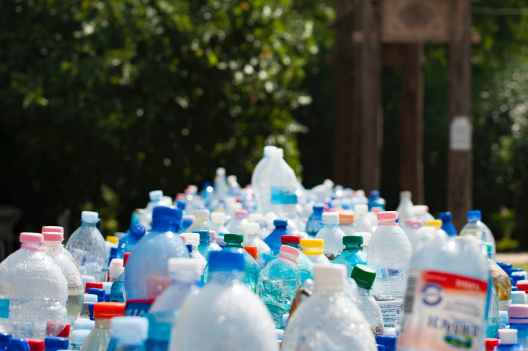
Photo by mali maeder on Pexels.com
This could possibly be the one most important things on this list! We live in a society that has made convenience the priority over the health of our environment. Single use items pop up everywhere from restaurants to coffee shops. People throw away enough plastic water bottles to circle the Earth FOUR TIMES! By purchasing just a few items ONCE, your waste will drastically be reduced. Let’s see a few of the best options:
- Reusable water bottles: There are so many different options on the market today that you can choose any type that you prefer. I have both a reusable water bottle (my favorite brands are bkr and Swell) and a reusable cup that I take anywhere they might want to give me a one-use cup. For example, the coffee shop, when ordering I tell them I have my own cup and ask them to fill it for me instead. Most people will happily obliged especially if you tell them WHY you are using your own. Some places will even give you a discount for using your own cup!
- Reusable shopping bags: I literally store my bags in my car so I have them anytime I go shopping. I have purchased most of mine from my grocery store but you can find reusable bags almost anywhere now a days and sometimes you can even get them for free!
- Reusable straws: Another killer item floating through the world is plastic straws. Every time you sit down at a restaurant they bring you a drink and a straw. WHY?! Hopefully they are washing their cups regularly so what is the need for a straw? People have become so accustomed to it that most people don’t even think twice about it. But I do and I refuse the straw or bring my own. Reusable straws are available in a few different materials, metals or glass.
5. Purchase Items from Thrift Stores or Yard Sales
Secondhand shopping is not only fun, but also has a major impact when it comes to waste. Both online shopping and big box stores use SO MUCH packaging to ship and sell products. From the cardboard boxes the items are shipped in to the cardboard displays to the actual packaging the products are in, your recycling bin will fill up quickly! When you need new home furnishings or home decor or pretty much anything you can find most items at secondhand shops. Not only are you reducing what ends up in a landfill, but you also usually find items that are unique.
Toys and children items are also something that can easily be found at yard sales. Many times at yard sales, you can haggle with the seller to get a lower price. I love finding secondhand furniture that I can refinish to make fit my space specifically. By reducing not only how much you are buying but also where you are buying from, you make such a drastic impact on the accumulation of waste on our planet.
Every one of these will help combat your overall waste consumption. Try one, try them all! Just remember every single little action you make towards a greener planet makes a difference! Let me know what you do at home to help reduce waste!
Eco-love,
Hannah










 Ecowarriors