Now that we’ve gotten the eating situation figured out, we need to find the most eco-friendly way to acquire these foods. We have noticed in the label reading CRAZE that many organic items are shipped from half way around the world! This puts us into a predicament because we KNOW we want to eat only organic foods but we also are causing a TON of greenhouse gas by getting these items shipped to a store near by. HOW SELFISH! So what can we do to solve this problem?
The answer might come as a shock to you or maybe you have already joined in on this movement for yourself.
Let us introduce you to a little thing called the garden.

The best part about gardening is anyone can do it! All it takes is some determination and patience. It is such a great feeling knowing EXACTLY where you food comes from and how it was grown.
TYPES OF GARDENS
It is very simple to start your own garden and there are a few options to do so. As usual, I would recommend checking out the plethora of videos and blogs online to get you started and help figure out which garden would be best for your needs and restraints. But basically, there are three options:
1. PERMACULTURE
The BEST way to grow your own organic food is something called permaculture. This makes the most of your land use by completely renovating your yard to have complete functionality of a garden of eden. These types of gardens work best because they create an ecosystem for your plants to flourish in. Most permaculture gardens consider things like sunlight, wind directions, slope, water resources and the incorporation of native plants and animals to make your garden thrive. To learn more in depth about permaculture watch the video below. This man turns his entire yard into a working, functional ecosystem that grows fresh organic produce with the least amount of energy. It is about an hour long, but he really goes in depth with each part of his garden and exactly how to do it. But there are many videos on YouTube!
https://www.youtube.com/watch?v=gB9lJpIi7zQ
2. RAISED BEDS
Raised beds or simple veggie patches work well for people who perhaps don’t own their land or aren’t quite ready for an entire landscape renovation. These types of gardens can be as large or small as you have room for. Use of vertical space can also help you get the MOST food for the space you have. It is actually so easy to set up a raised bed garden you could do it all in one afternoon. Simple steps and supplies are on this site or you can watch this video below:
3. CONTAINER GARDENING
Now for those of you who think they don’t have the time/money/commitment to grow a full garden, consider planter or container gardens. This is an easy way to grow with restraints.
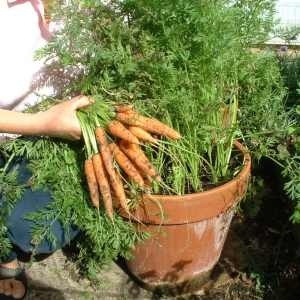
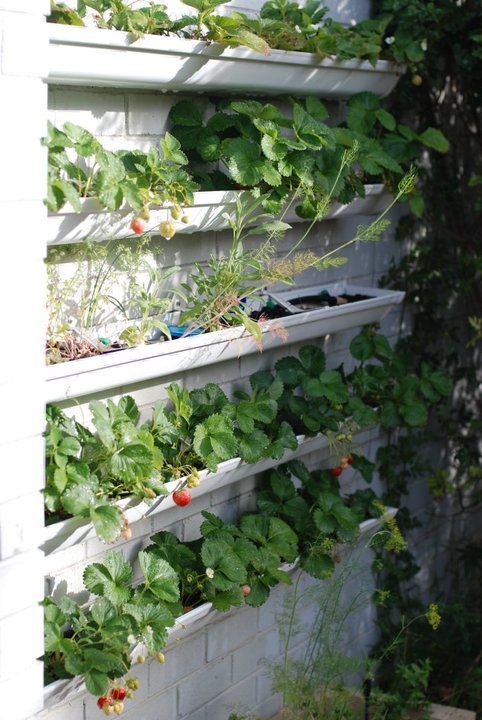
For a full list of plants you can grow in containers, check out ALL 66 on this site. You can be very innovative in what kind of containers you use as well. Have any old gutter laying around? Why not attach it to your wall and viola! You have a full row of soil to grow and saved space!
WHAT TO PLANT
Here is a list of the top 10 best crops for beginners. If you don’t even want to bother with seeds, check out these items you can grow from kitchen scraps:
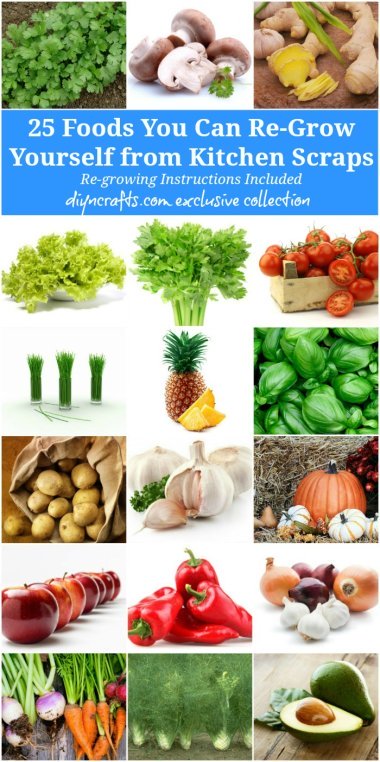
Click the photo to learn how!
COMPOSTING AND SOIL
Start a compost bin to reuse all of your food scraps to make wonderful homemade fertilizer. This site has all the info you need to start your own! There are many compost bins on the market, even ones you can keep indoors! If you would rather save some money and make your own, this site shows you how to make one for $15 out of a garbage can!
This is truly the best way to get rich soil. Begin mixing the organic compost into your soil a few weeks before you plan on planting. This will ensure your new little sprouts have plenty of nutrients to grow. You also want to make sure your soil has the right moisture content. You want your soil to easily fall apart with few chunks when dropped from your hand.
GREENHOUSES
Another option for gardening year round are greenhouses! Just like everything else, there are a ton of videos and how-to’s to make different types of greenhouses depending on your needs and wants. You can also repurpose many things into greenhouses. You can also use a small greenhouse to simply start your seedlings. Check out this greenhouse idea made from old brick and window panes.

GETTING STARTED
Now that you know what to plant and where to plant it, its time to set up your garden! Below are some simple steps to check off as you create your own veggie patch!
STEPS:
1. Start a compost pile. Even if it won’t be beneficial for THIS crop, you will thank yourself later!

2. Plan your garden. First, find the perfect place for your garden. Make sure you find a spot with sun all day.
3. Decide what plants you want to grow. Choose plants you think you will be able to maintain but also plants that you buy often! Literally write out a plan of where each plant will go like this one:

4. Decide what type of garden you want to build. Start collecting your seeds and supplies.
5. Build your garden infrastructure. If you are building a raised box, assemble and fill. If you are creating a permaculture garden, prepare your irrigation systems, landscape and build your water features/ chicken coups/ compost pile/ etc.
6. Prepare your soil. Make sure you incorporate plenty of organic compost and give it a turn a few times a week until ready for planting.
7. Meanwhile, start your seedlings. This site gives you a great run down using recycled paper tubes!
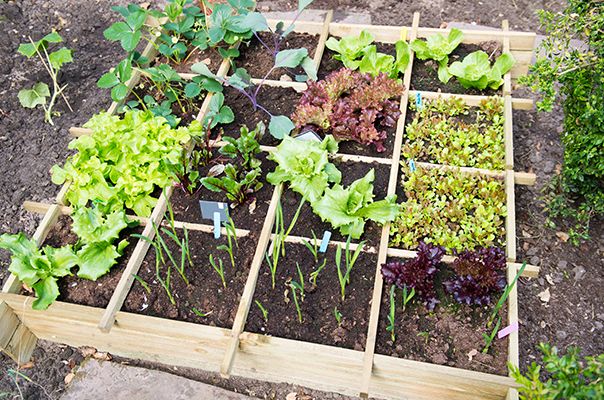
8. Plant your plants! Some plants will start from seeds and some will already be seedlings. You will want to plant depending on what time of year it is and where you live. Here is a general time frame from the Farmer’s Almanac. If you want to know more precise dates for your area, simply type in your location and seed planting times on Google.
9. Don’t forget to weed and water your gardens. Now that you finally have your plants in the ground, it’s time to nurture them to delicious food! For natural pest control check out this site.
10. Now the best part, THE HARVEST! Enjoy your delicious, well-earned food. If you really need some extra help, check out this site for tips and tricks!
STORAGE
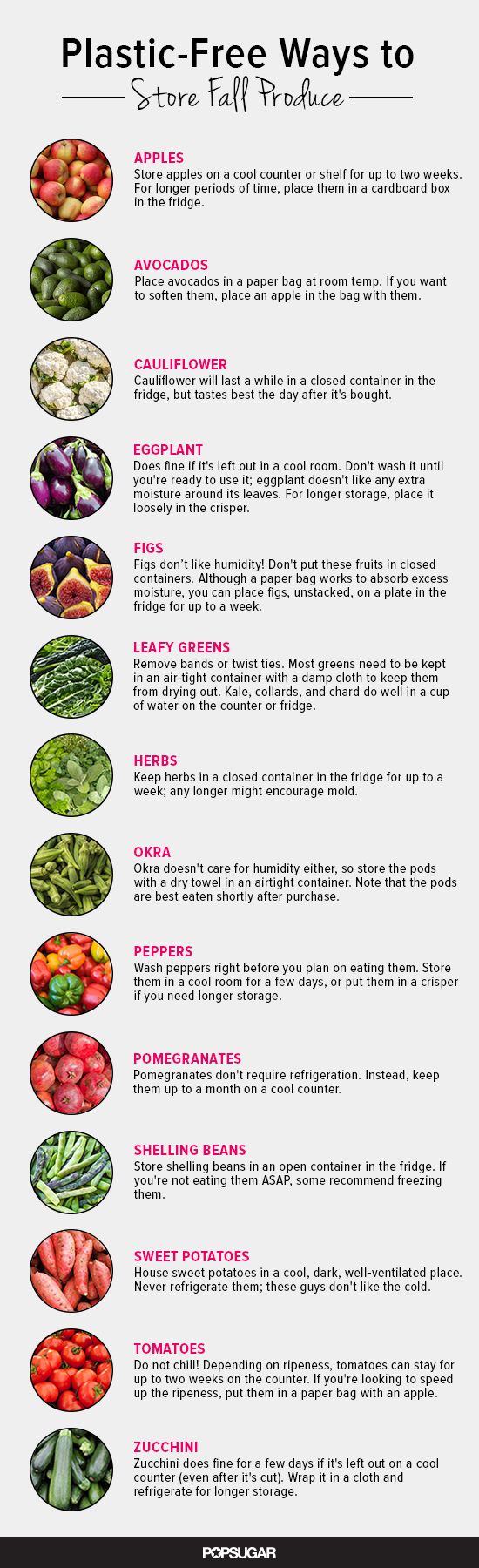
Now that you have all of this amazing fresh produce, you will want to make sure you are storing it correctly. Of course, while your plants are being harvested, you can walk right out to your garden and pick what you want. This is true freedom… But eventually you will have to save some of your goodies. Using an option like a root cellar or even a basement can be very beneficial to keeping produce fresh. There are many ways to freeze, dehydrate and can foods as well to preserve them. You could build something like this in your backyard, yes dreams come true…

You can also move away from any plastic storage with these tips:
This is still a very basic beginners guide to what you need to know to start your own food garden. There are SO MANY resources out there to get started. The benefits of starting your own food garden are countless. Most importantly though, you will have the most fresh, nutrient rich food right at your finger tips!
Happy Gardening Ecowarriors!
 Ecowarriors